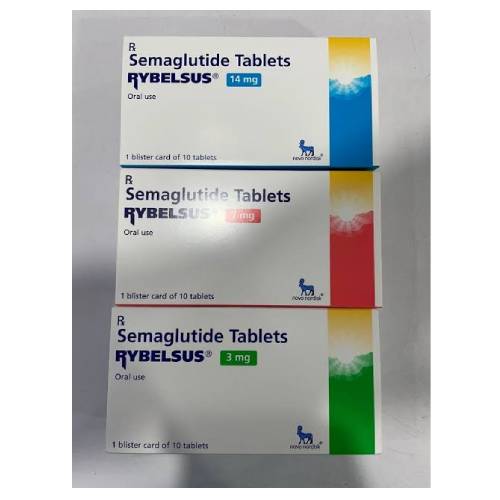
Instruct patients to inform healthcare providers prior to any planned surgeries or procedures if they are taking Victoza Adverse Reactions The most common adverse reactions (incidence 5%) in clinical trials are nausea, diarrhea, vomiting, decreased appetite, dyspepsia, and constipation Immunogenicity-related events, including urticaria, were more common among Victoza -treated patients (0.8%) than among comparator-treated patients (0.4%) in clinical trials Drug Interactions Victoza delays gastric emptying and may impact the absorption of concomitantly administered oral medications
Q How much is in a Shiratama drip, and how long does it take
Unlike traditional neurotrophic factors, Dihexa crosses the blood-brain barrier efficiently, resulting in improved learning, memory, and recovery in models of neurodegeneration and traumatic brain injury
Its also an anti-inflammatory antioxidant, which makes it a great ingredient for addressing redness and sensitivity












/assets/images/provider/photos/2749086.jpeg)


.png)