Individual results can vary significantly based on skin type, genetic factors, lifestyle, and adherence to post-treatment care
Immune regulation Modulates inflammation, which is often elevated in ASD
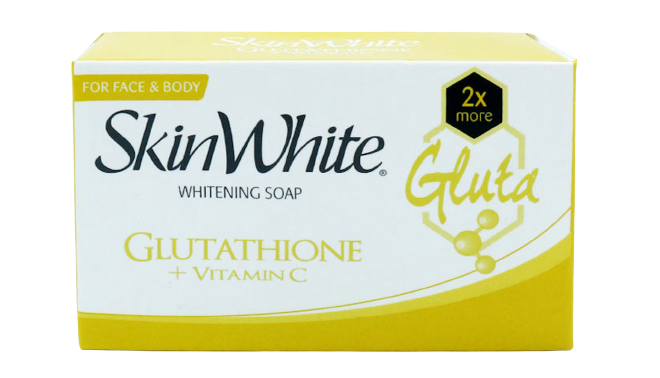
Glutathione has the following roles in the body: Neutralize free radicals and oxidative stress Reverse damage from radiation (X-rays, CT scans, UV and solar radiation) Detoxify heavy metals Detoxify biotoxins (like mold) Help reverse damage from environmental chemicals and pollution Neutralize toxins from food like charred foods and pesticides Improve liver detox pathways Research has found that the following chronic diseases are associated with a reduction in Glutathione levels: Aging Alzheimers Disease Cancer Chronic Liver Disease Cognitive Impairment Diabetes Hypertension Infertility in Both Men and Women Lupus Mental Health Disorders Multiple Sclerosis Neurodegenerative Disorders Parkinsons Disease Glutathione is made of 3 amino acids: cysteine (a sulfur amino acid), glycine, and glutamic acid
After intravenous administration of fluorescein, enhancement of the gaps between epithelial cells (1), leakage of fluorescein into the bowel lumen (2), and cell shedding (3) can be directly visualized using a confocal probe equipped with a 488 nm laser ( ex vivo permeability ( Finally, mucosal impedance testing is another tool to directly evaluate mucosal integrity, although most studies are limited to the esophagus