A peptide is a chain of amino acids held together by peptide bonds, and those bonds are precisely what digestive enzymes (pepsin, trypsin) are built to cut, with the acidic stomach environment finishing the job so an oral peptide is largely destroyed before it can be absorbed, which is why injection is the default
Research investigations commonly explore the compound in experimental models examining: NNMT enzyme interaction and inhibition dynamics Cellular metabolic signalling pathways Methylation pathway regulation Intracellular metabolic network modelling Enzyme-mediated regulatory processes Comparative enzyme inhibition research Cellular energy regulation pathways These experimental models allow scientists to investigate molecular regulatory mechanisms that influence metabolic signalling and cellular biochemical processes
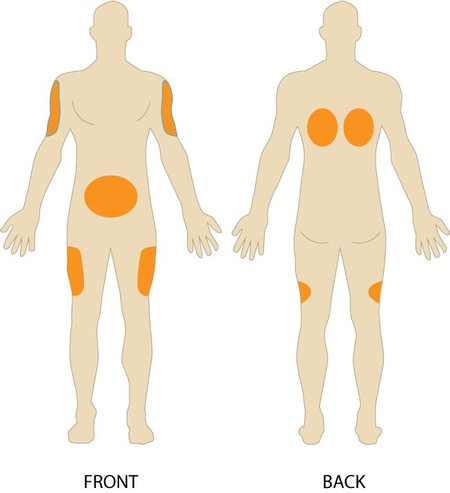
For a more budget-friendly solution, you could consider at-home injection kits, which are often a cost-effective option for long-term use
reduction SURMOUNT data Dual pathway cAMP potency Retatrutide GLP-3: triple agonism at the frontier of incretin research Retatrutide (LY3437943), informally called GLP-3 by the research community, adds glucagon receptor agonism to the GLP-1 + GIP dual axis, creating the most complex incretin-class research compound available