Prevalence of injury is also mirrored in professional sporting populations, with the diagnostic grouping of most common injury as skeletal muscle/tendon in nature, accounting for 45% of all diagnosed injuries (Brooks 2005)

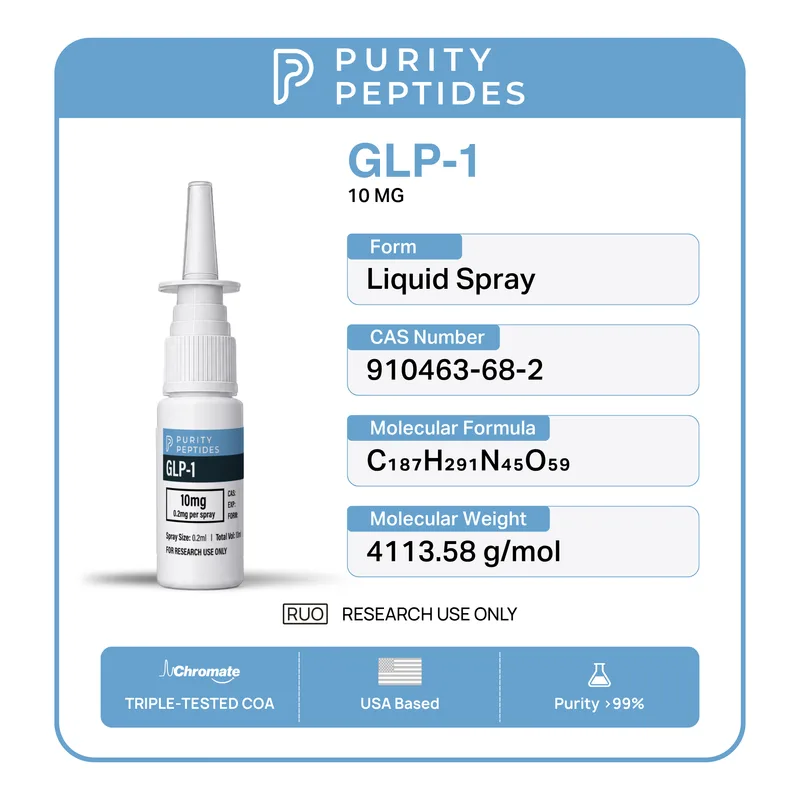
This centrally produced GLP-1 reaches specific receptors located in key structures involved in appetite regulation, such as the paraventricular nucleus, the lateral septum, the nucleus accumbens and the lateral parabrachial nucleus.2,3,6 Furthermore, it promotes aversive responses, inhibits neuroinflammation and gastric emptying, and stimulates sympathetic tone and thermogenesis in experimental models.2,4,6 Activation of GLP-1R on neurons in the arcuate nucleus stimulates the production of pro-opiomelanocortin (POMC), which in turn inhibits neurons that produce neuropeptide Y (NPY), thereby generating an appetite-suppressing response.2 GLP-1 production has also been reported in the olfactory bulb, although its significance remains unclear.2,6 GLP-1R has been identified in the sinoatrial node, atrial and ventricular myocytes, and vascular endothelium
Underlying conditions : Do you have PCOS, irregular menstrual cycles, or other obesity-related reproductive issues
Michelle Andrews, founder of ChiroHer, and I've helped hundreds of patients understand their health needs, including when injectable b12 for humans might be the right solution