Unlike medications that stimulate insulin production, metformin does not increase insulin output
10.1186/s12916-023-02753-6 76 ZhouH.-R.MaX.-F.LinW.-J.HaoM.YuX.-Y.LiH.-X.et al (2021)
DOI: 10.1016/j.metabol.2012.03.002 [Google Scholar] Kodera R, Shikata K, Kataoka HU, Takatsuka T, Miyamoto S, Sasaki M, et al

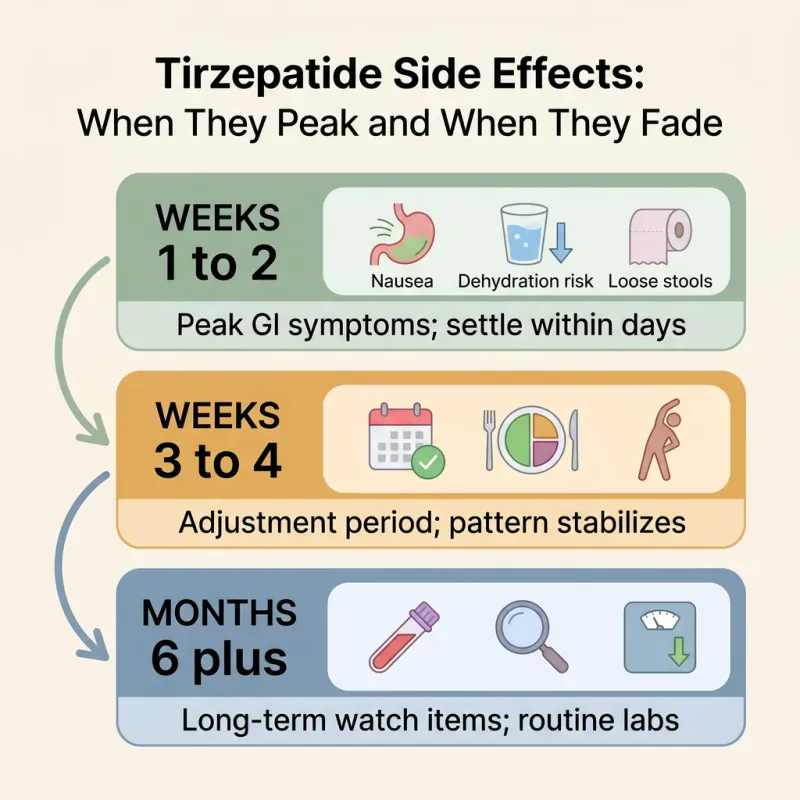
It has been proven that the native peptide GLP-1, GLP-1 receptor agonists and GIP-1 receptor agonists can cross the blood-brain barrier (BBB) ( The GLP-1 receptor belongs to the G protein-coupled receptor (GPCR) B family, consisting of seven transmembrane helices (TMH) interconnected by intracellular loops, with a C-terminal intracellular domain and a large (~120 amino acid) N-terminal extracellular domain (ECD) ( GLP-1 receptor is widely distributed in the CNS, including the striatum, hypothalamus, cortex, subventricular zone, and substantia nigra, as well as in the brain stem ( Studies have revealed that the expression of GLP-1 receptor is increased in neurons, GABAergic interneurons, microglia, astrocytes, and endothelial cells in the brain following the AIS ( in vivo and in vitro following a variety of injury paradigms ( The most common side effects of the GLP-1 RAs are gastrointestinal (GI)-related adverse events (AE), such as diarrhea, emesis, and nausea ( GLP-1 and GLP-1 Receptor Agonists for the Treatment of Stroke Over the past several years, neuroprotective effects of GLP-1 and GLP-1 Ras have been shown in animal models of stroke, and advances in this area have now been updated