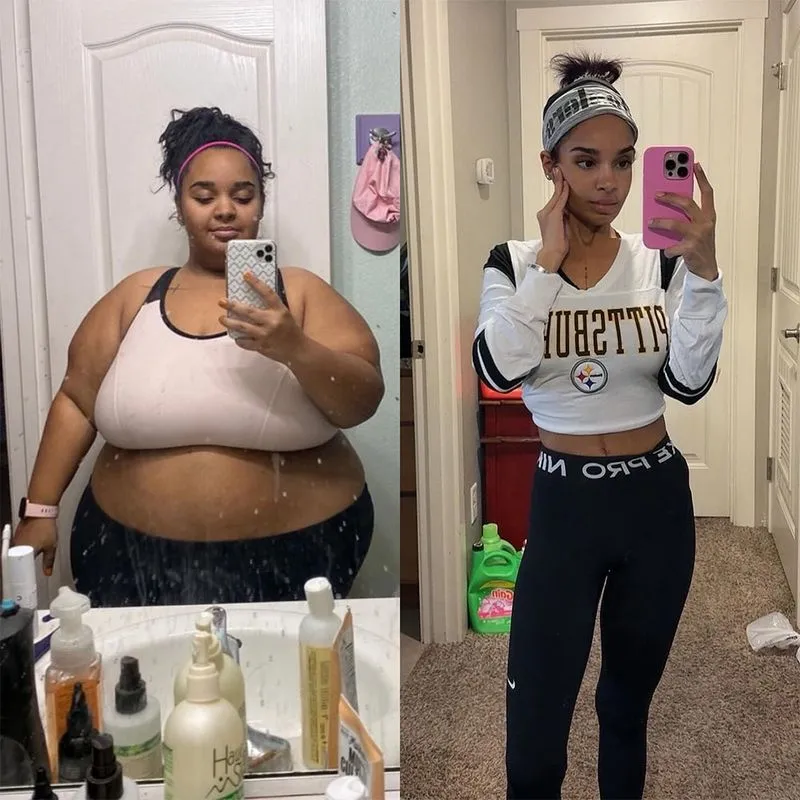
How Patients Gain and How They Get Hurt 6.1 Clear Benefits Semaglutide can significantly reduce blood sugar, promote weight loss of 1015% or more of body weight in many patients, and lower the risk of heart and kidney complications in highrisk groups.[12][13][3] For many people with diabetes and obesity, that translates to fewer heart attacks, less disability, and potentially longer, healthier lives.[1][3] 6.2 Real Harms and Tradeoffs Affordability and access: At current prices, longterm semaglutide therapy is out of reach for most patients worldwide without strong insurance or publichealth support.[18][28] Crowding out budgets: When a single class of drugs consumes a big chunk of health budgets, other areasvaccines, primary care, older but useful drugscan get squeezed.[29][18] Evergreening delays generics: By keeping cheaper competitors out, evergreening keeps prices high for longer, meaning millions of patients either delay treatment or never start it.[14][19][22] Safety and hype cycles: Rapid, celebritydriven uptake can outpace longterm safety data, leaving regulators and courts to deal with adverseevent litigation years later, as seen in emerging lawsuits.[25][13] Key point: The same system that produces lifechanging drugs can also keep them scarce, expensive and unevenly distributed

A potent peptide in the wrong formulation will not reach its target
At this concentration, 1 unit on a U-100 insulin syringe equals approximately 33.3 micrograms
Investment in periodic quality confirmation protects against costly experimental failures or product recalls resulting from degraded pharmaceutical ingredients