Where serum B12 results are borderline or do not fit the clinical picture, further tests such as active B12 (holotranscobalamin), methylmalonic acid, or homocysteine may be helpful
Vitamin B12 shot may be prescribed to prevent or treat the following: Pernicious anemia (a condition in which there are low red blood cell counts due to an abnormality in B12 absorption by the intestines) Megaloblastic anemia (a type of anemia in which there are very large red blood cells called megaloblasts) Cognitive disorders, such as dementia (a disorder characterized by problems with memory, problem-solving abilities, language, etc.) Disorders that affect B12 absorption, such as pancreatic diseases, intestinal infections, Crohns disease, and tropical sprue Cardiovascular disease risk (by lowering blood homocysteine levels, which is a compound associated with an increased risk of heart problems) Multiple sclerosis symptoms Bells palsy recovery B12 deficiencies related to: Weight loss Vegan or restrictive diets Surgery to remove the part of the stomach or the ileum (the last part of the small intestine) Energy and endurance What are signs of vitamin B12 deficiency

User experiences suggest meaningful benefits for gut healing applications where local peptide effects matter
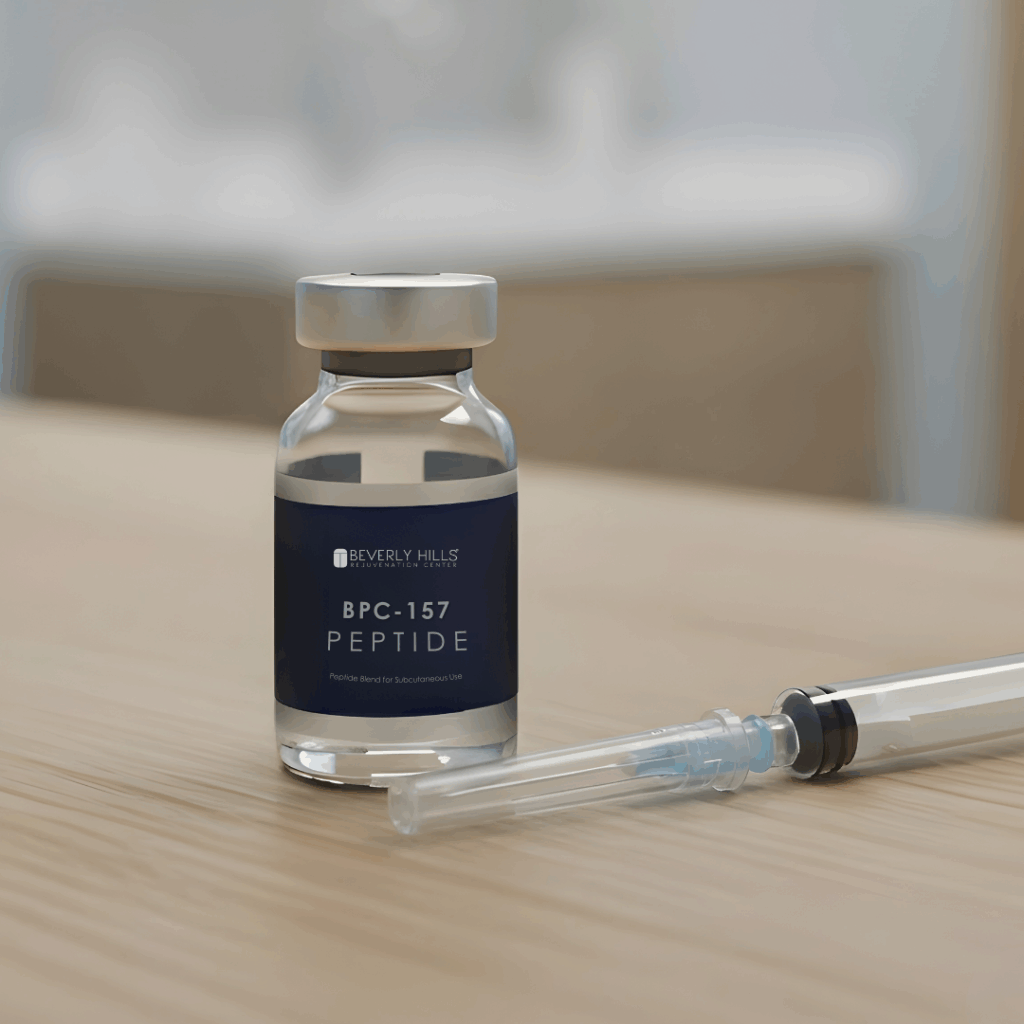
Here's why BPC-157 is different: "Is This Just Another Trend?" BPC-157 has been studied for decades for its healing and regenerative properties


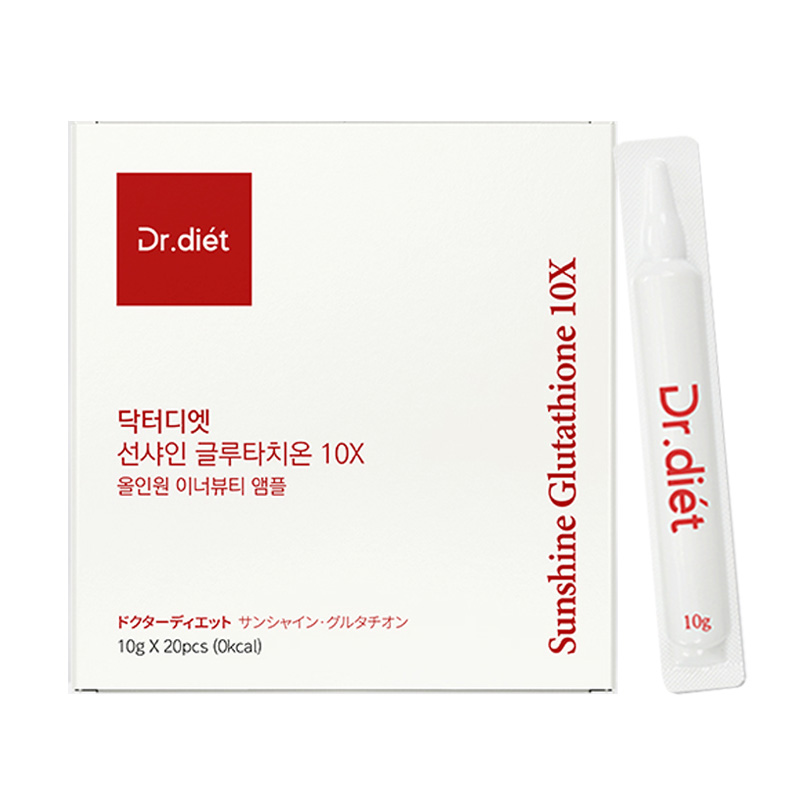
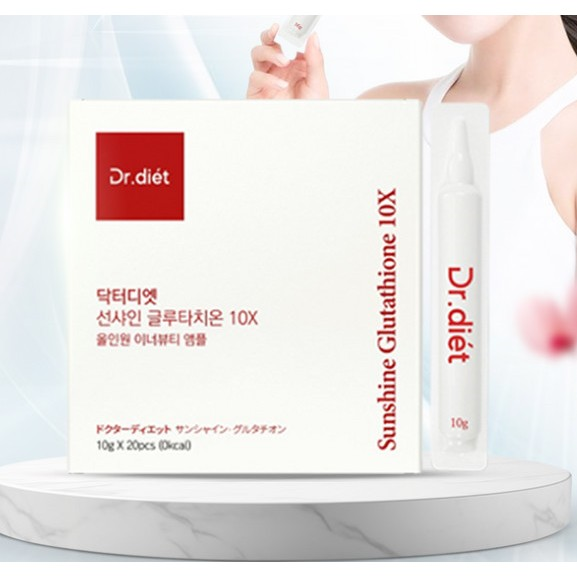
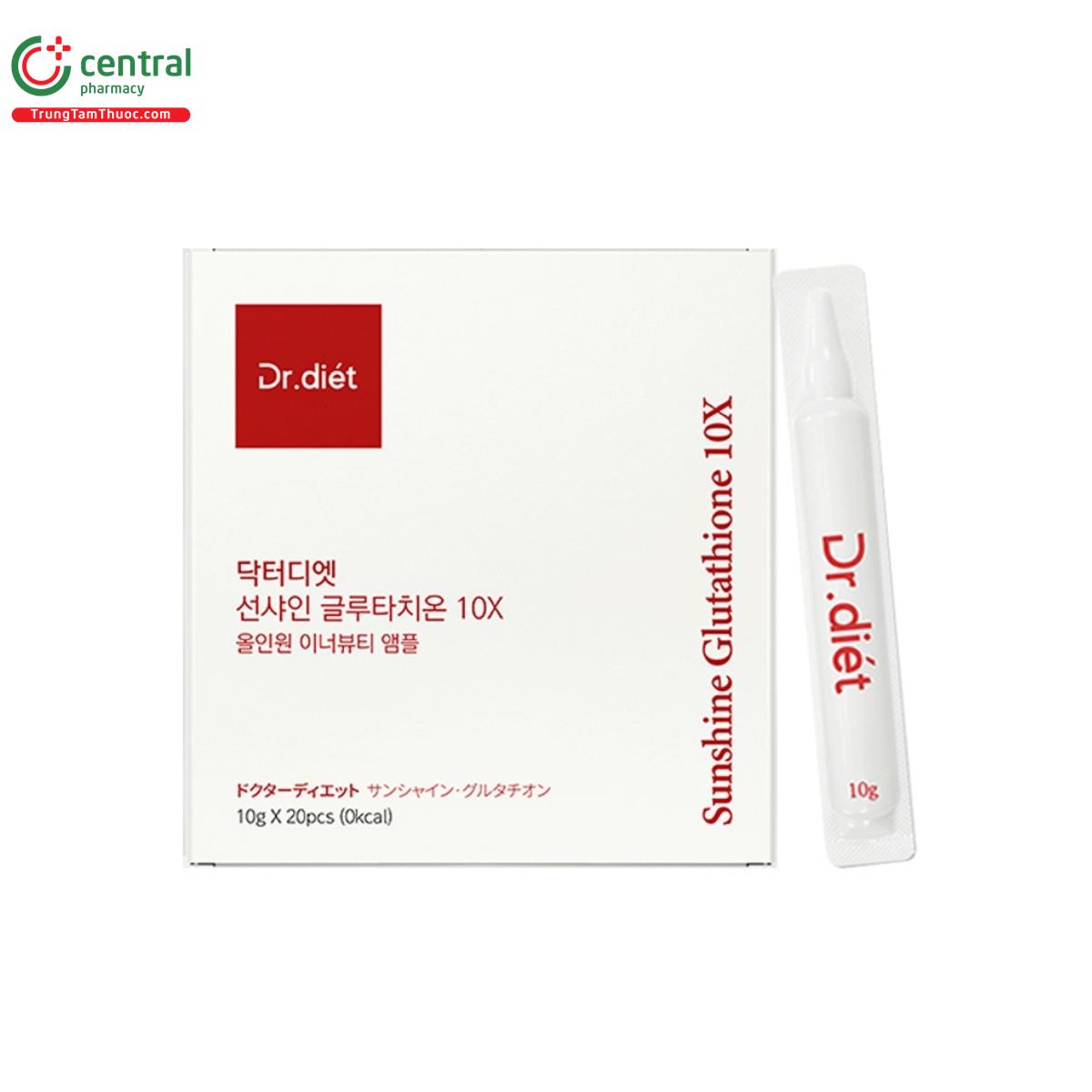
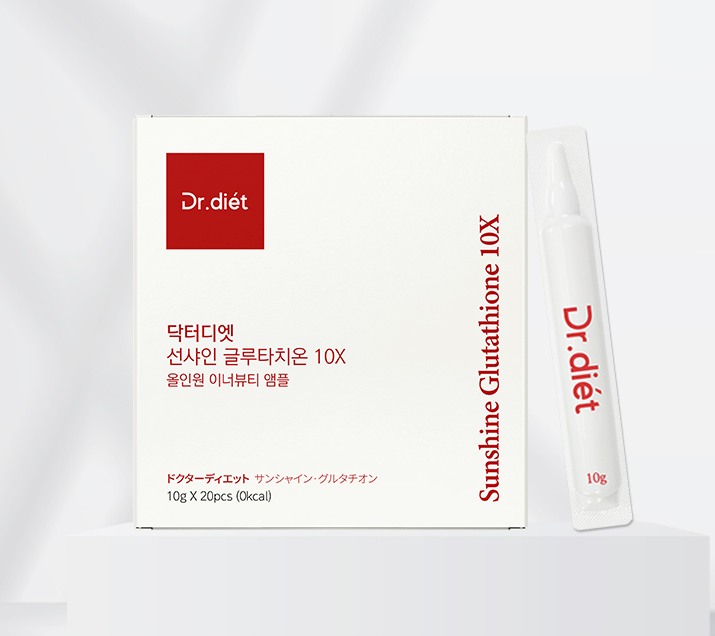
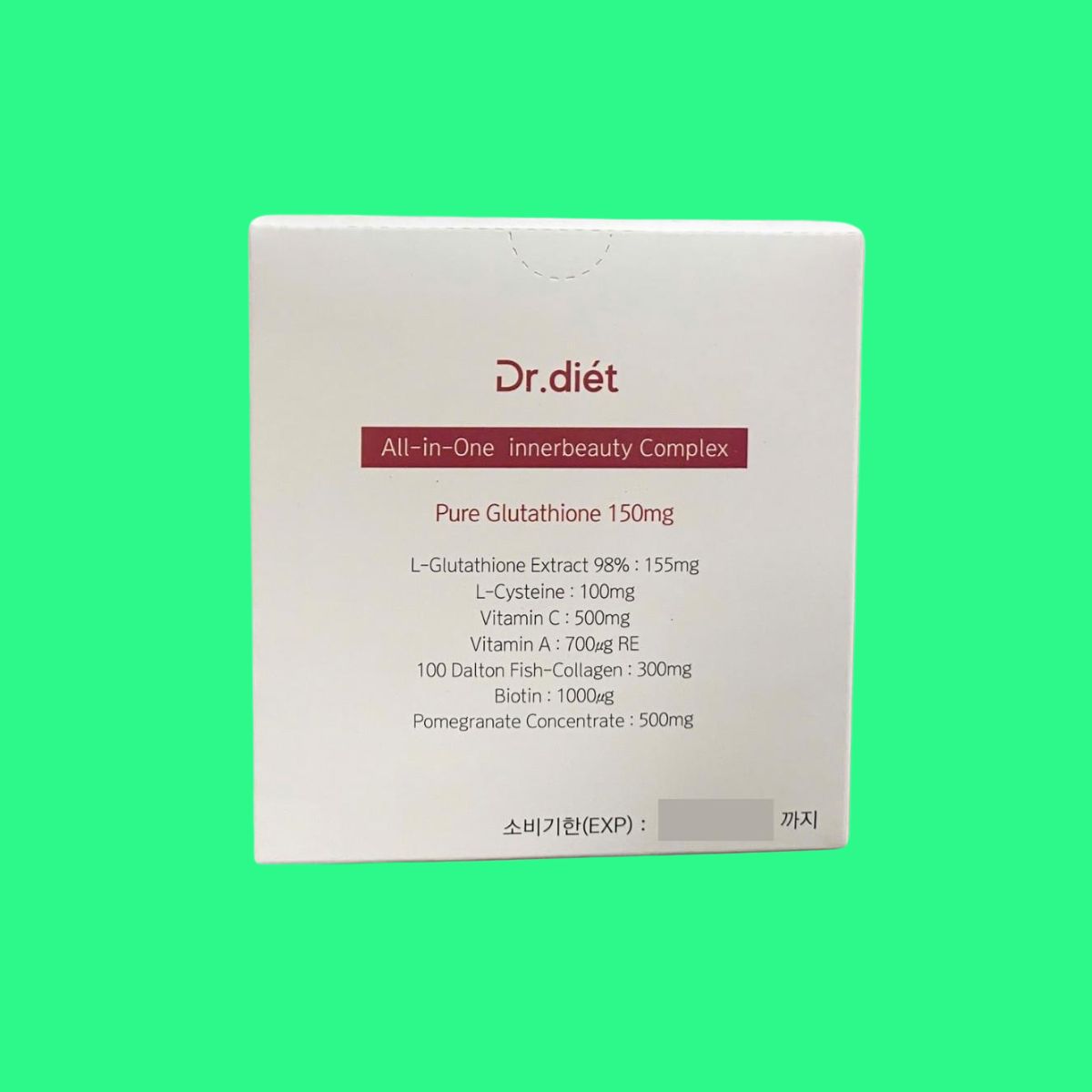


![sunshine glutathione 10x cách sử dụng GOM ORDER] [HOT TREND] Nước uống trắng da Dr.Diet Sunshine Glutathione 10X – Đẹp rạng rỡ từ bên trong](https://lookaside.instagram.com/seo/google_widget/crawler/?media_id=3625876757652918166)

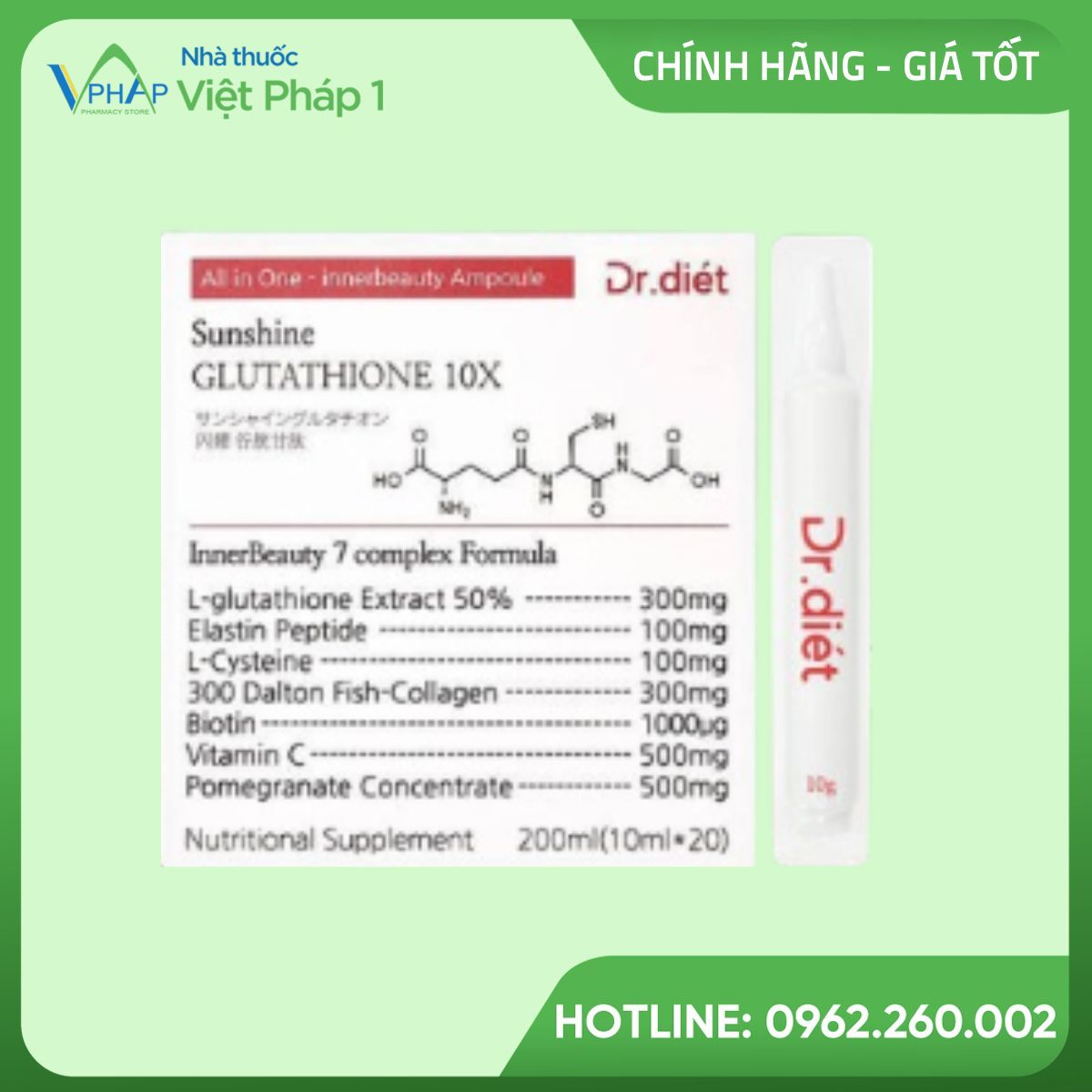


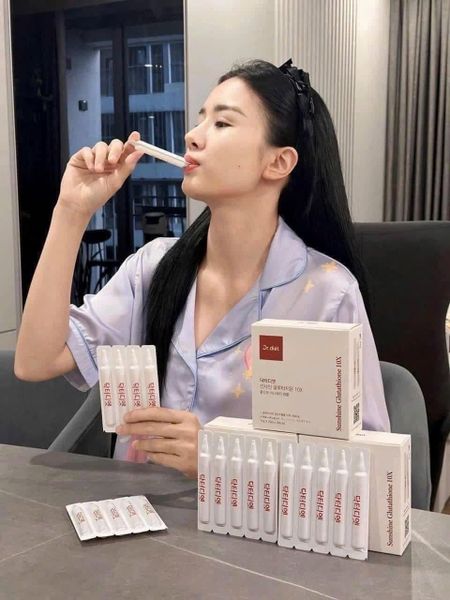


![GOM ORDER] [HOT TREND] Nước uống trắng da Dr.Diet Sunshine Glutathione 10X – Đẹp rạng rỡ từ bên trong](https://lookaside.instagram.com/seo/google_widget/crawler/?media_id=3625876757661314483)

![BEP Heavy Duty Battery Selector Switch [721] Anchoring & Docking | Anchoring Accessories](https://cdn.shopify.com/s/files/1/0943/8652/0347/files/60033XL.jpg?v=1747252686)

![[PC/PSN/XBOX] 47 SKINS + ROYALE BOMBER + BLUE TEAM LEADER + CALAMITY + PRODIGY + DRIFT + TEKNIQUE + OMEGA + ORANGE JUSTICE Gold Brutus](https://cdn.shopify.com/s/files/1/0730/7332/8386/files/gTkgaE1dCd.png?v=1749694634)

