The procedural note for 20610 does not count toward E/M documentation
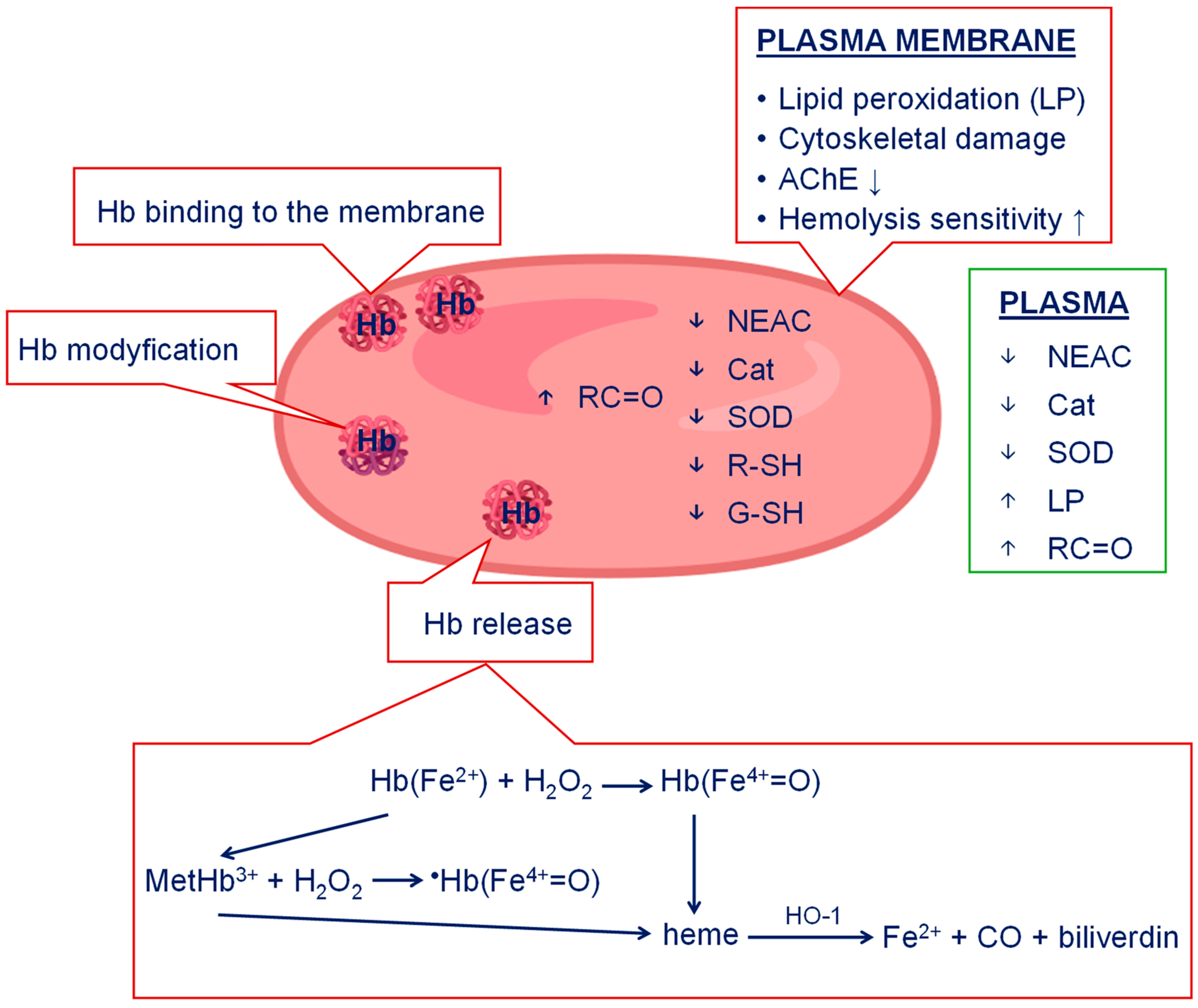
Elevated ALT, bilirubin, and creatinine reflected mitochondrial dysfunction, impaired bile acid metabolism, and oxidative renal injury [34, 35]
BPC-157 and TB-500 are potent modulators of the inflammatory response
Introduction Introduction GHK-Cu ( glycyl-L-histidyl-L-lysine : copper ) is a naturally occurring tripeptide-copper complex commonly known as the copper peptide. First identified in the 1970s, GHK-Cu is present in human plasma, saliva, and urine and has become a major research focus for its potential roles in skin repair, hair growth, wound healing, and tissue regeneration. Preclinical and cosmetic-science studies suggest that GHK-Cu supports collagen synthesis, angiogenesis, and anti-inflammatory and antioxidant responsesmaking it one of the most widely studied peptides in regenerative biology. GHK-Cu Fast Facts Type: Naturally occurring tripeptide (Gly-His-Lys) complexed with copper (Cu) Discovered: 1973 Dr




)