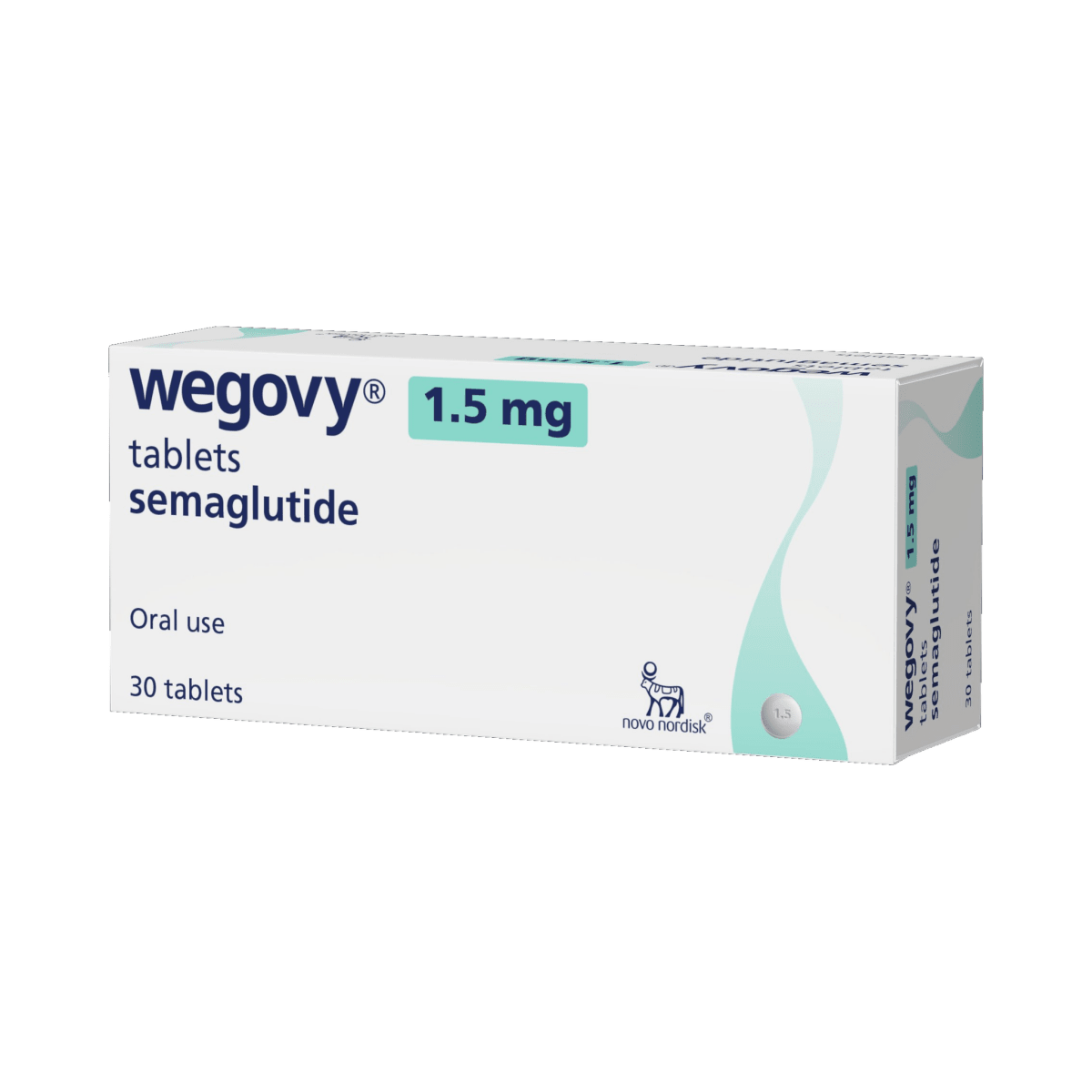
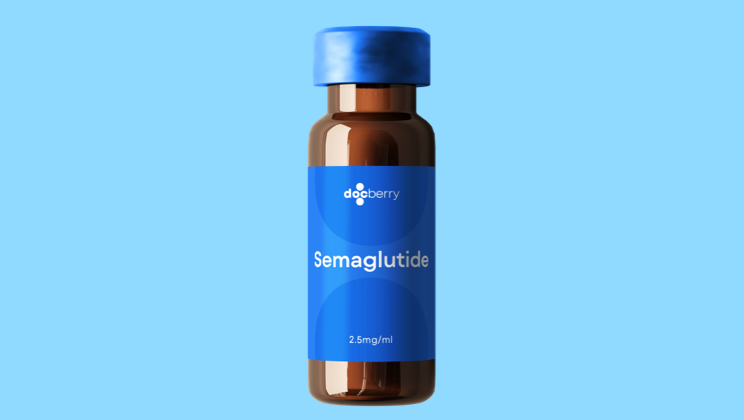
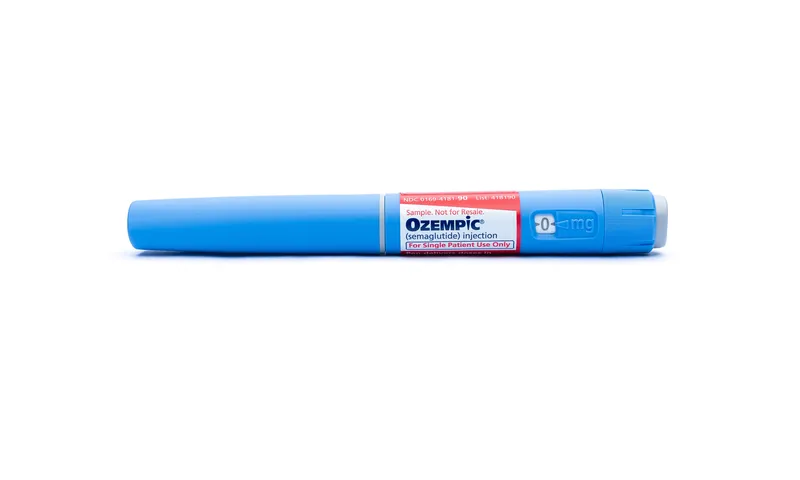
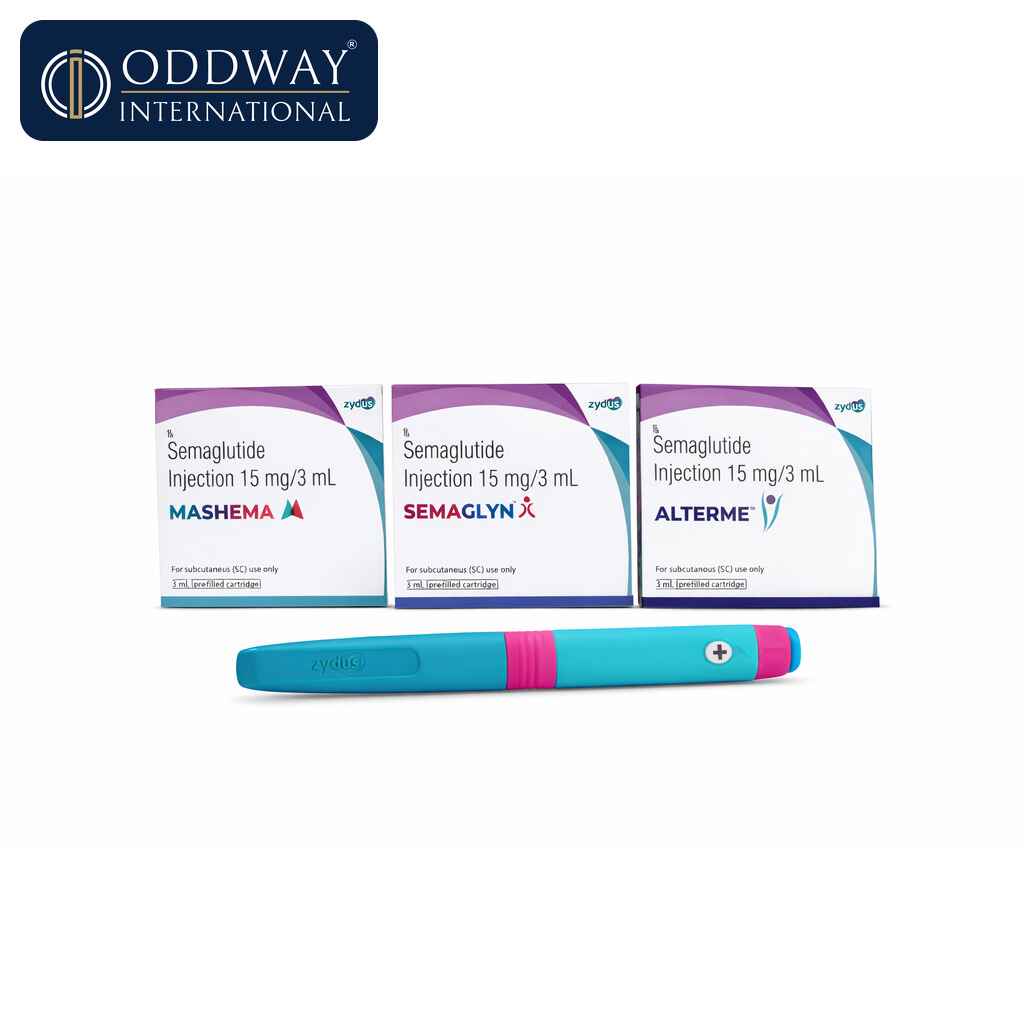
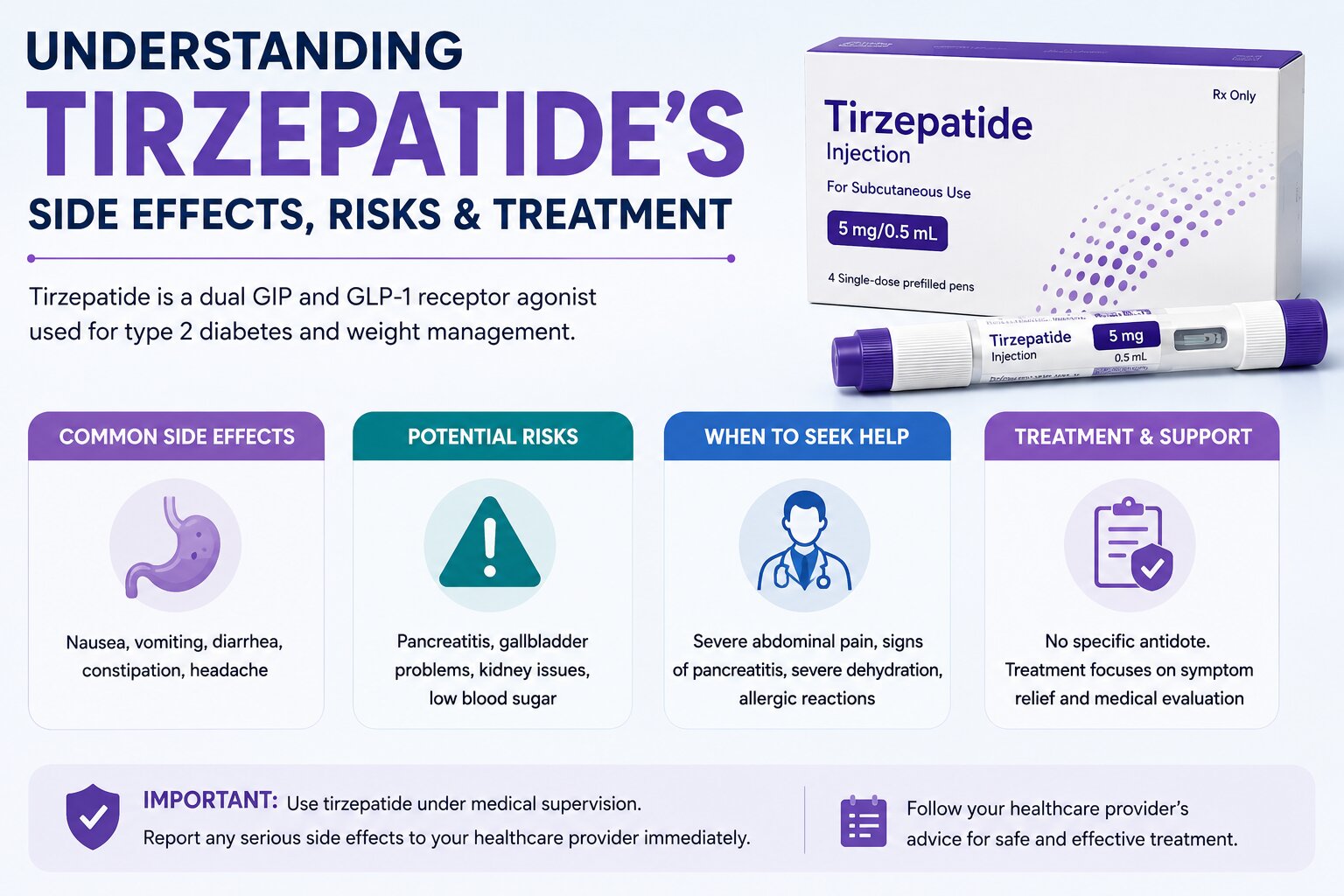
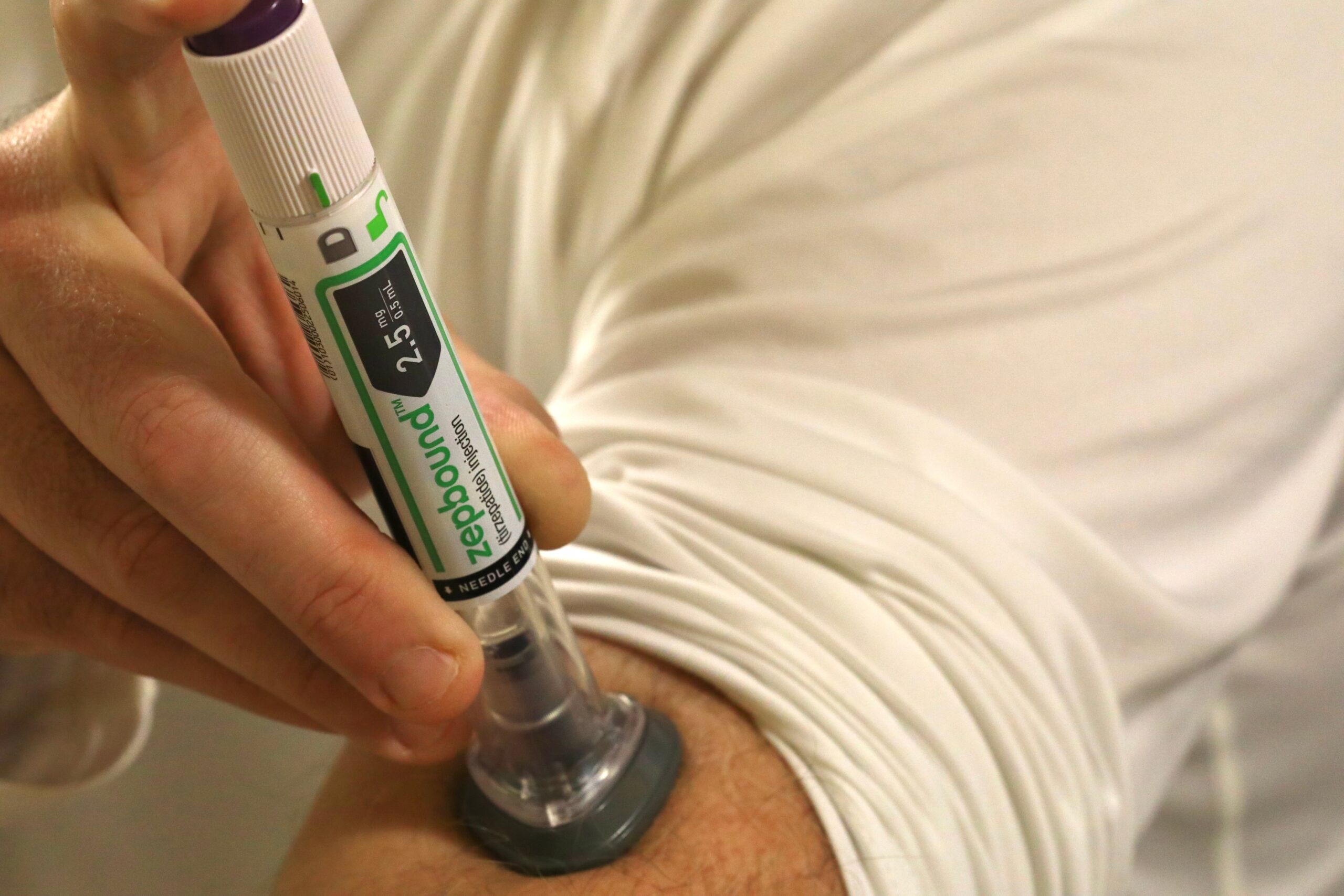
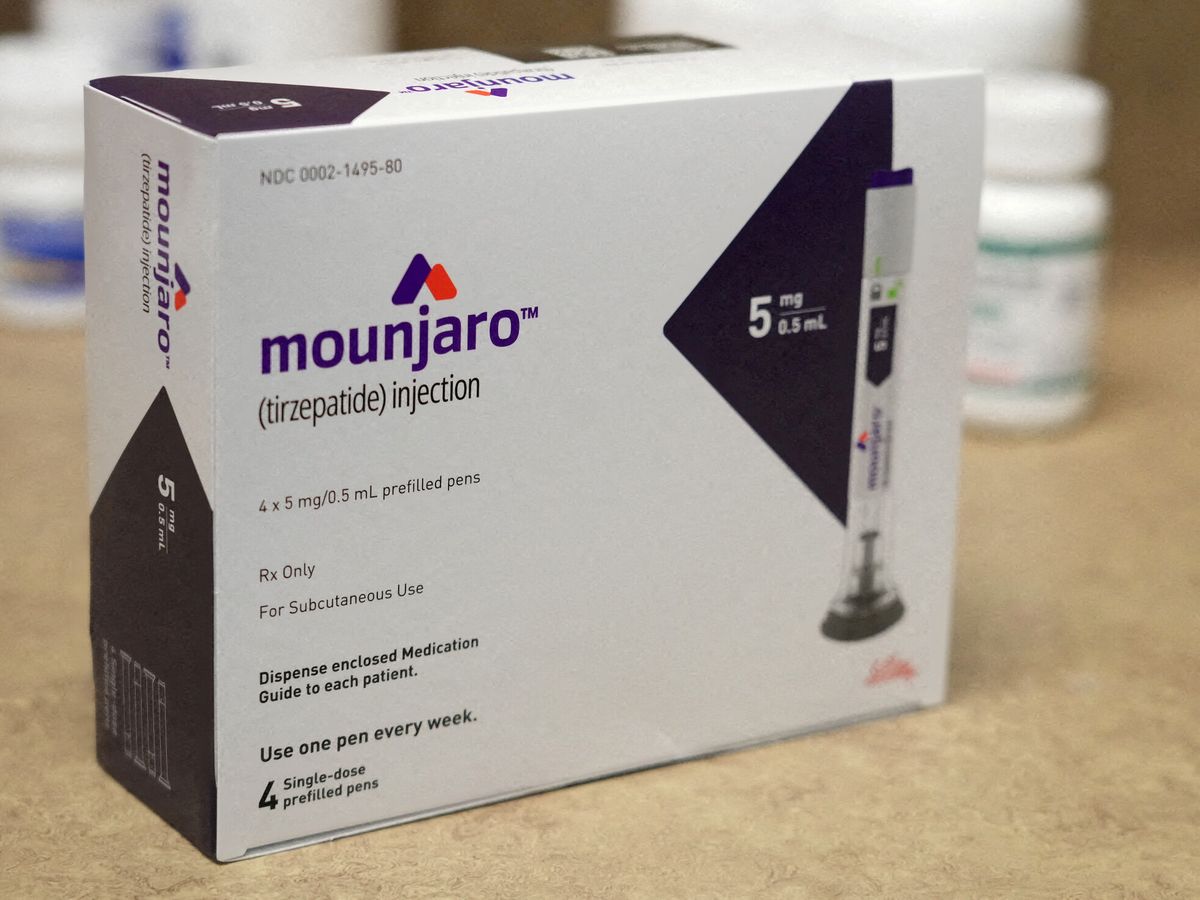
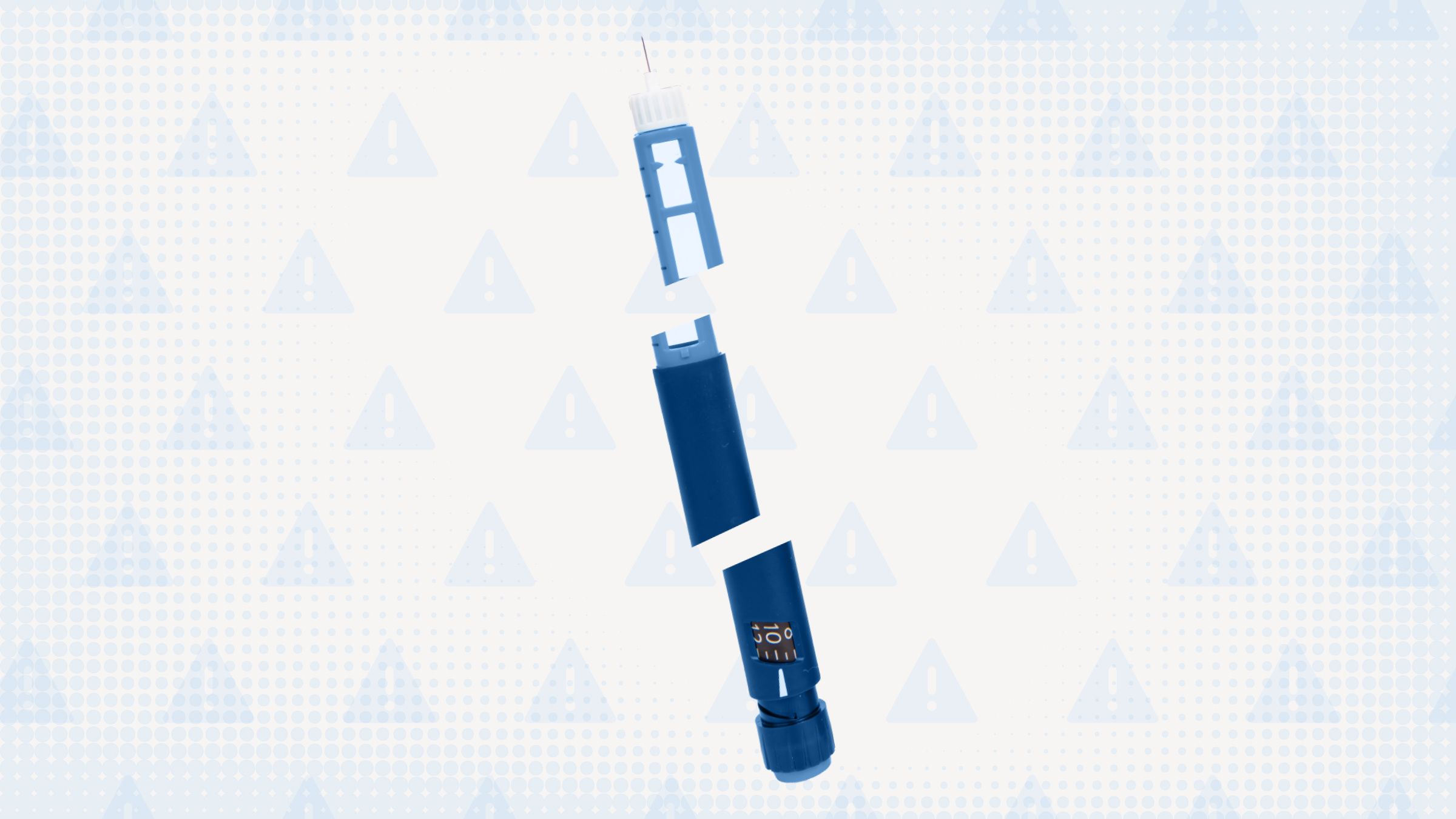
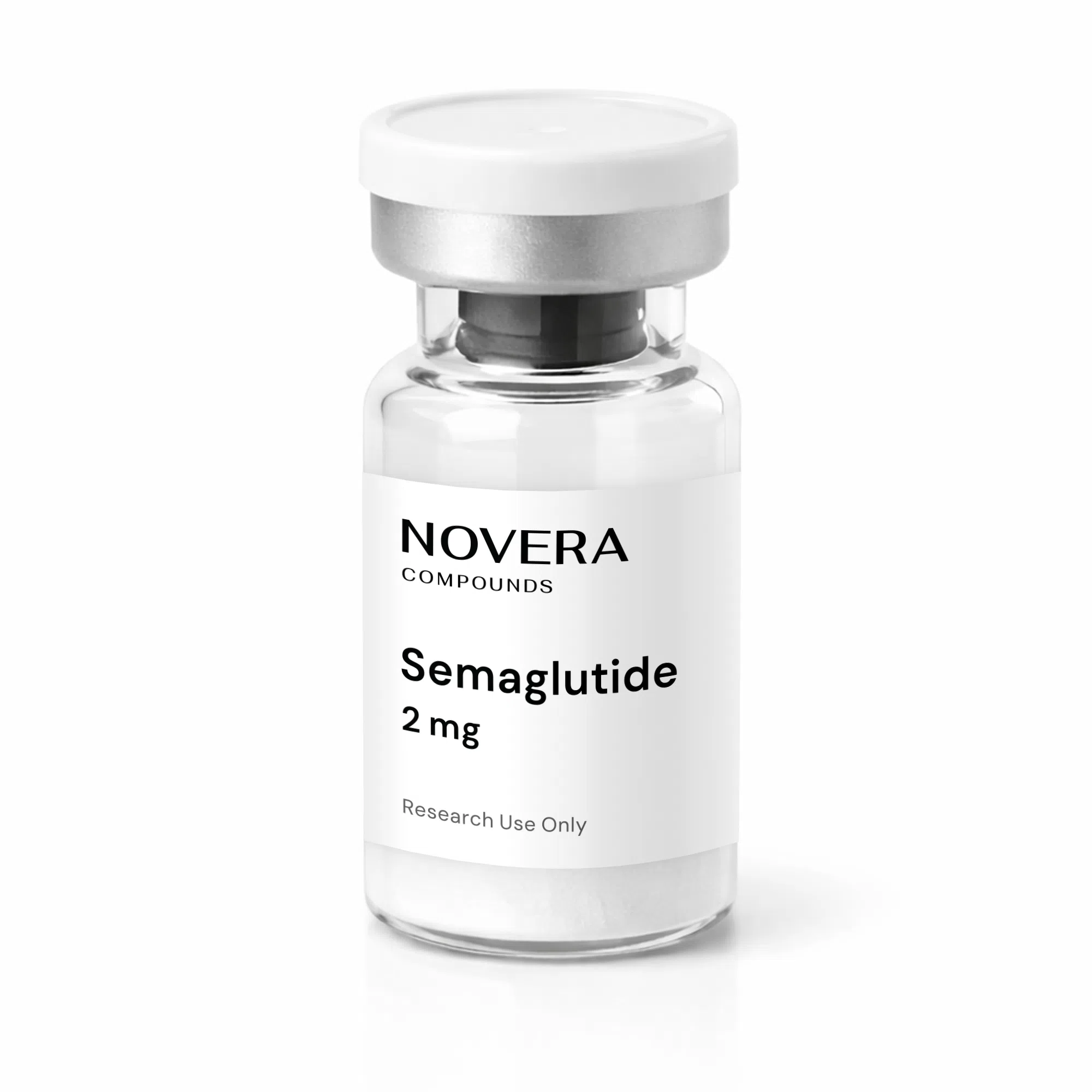
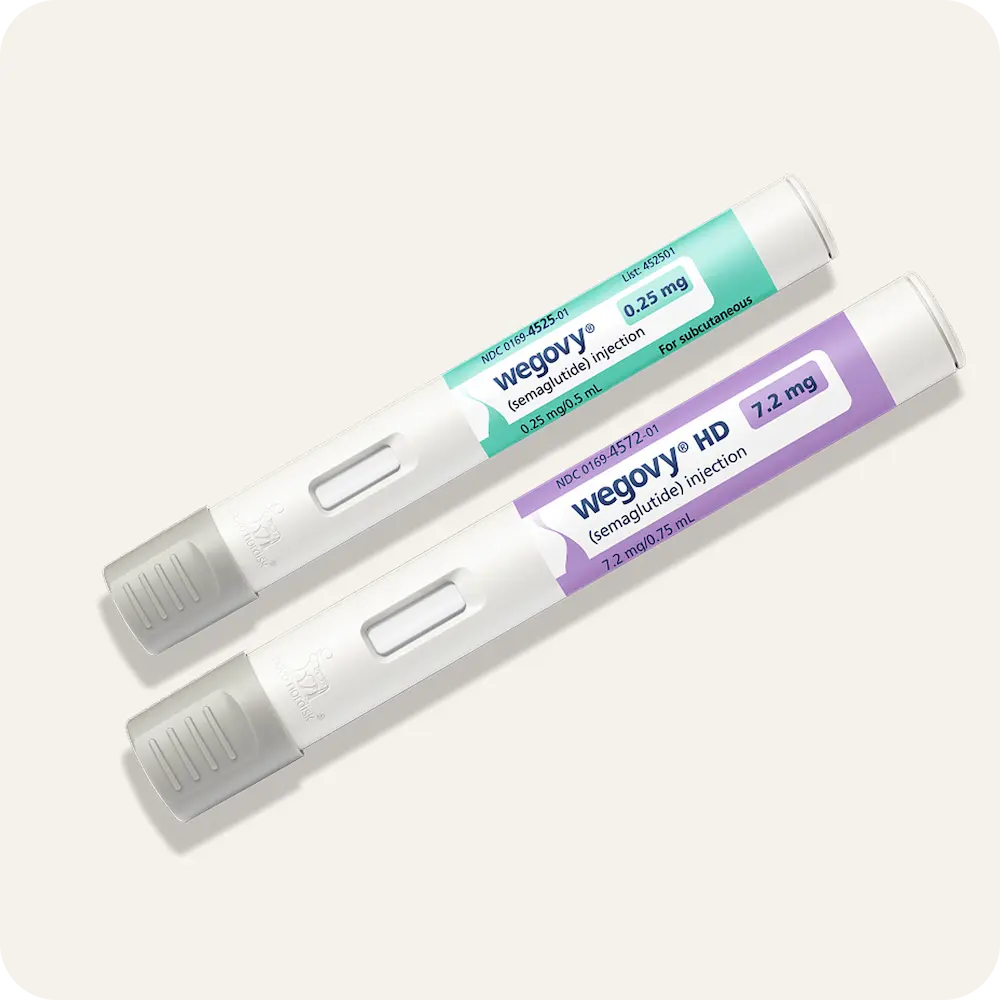
Key drivers behind GLP-1 and addiction research include: Rapid expansion in the use of GLP-1 medications such as semaglutide (Ozempic and Wegovy) and tirzepatide (Maunjaro and Zepbound) Reports of changes in cravings, alcohol use, or reward-seeking behaviors beyond weight loss Increased public conversation and clinical curiosity about psychological and behavioral effects Scientific interest in GLP-1 activity within reward pathways and dopamine signaling Recognition that appetite regulation and addiction involve shared neural mechanisms This research is still emerging, and findings should be interpreted with caution
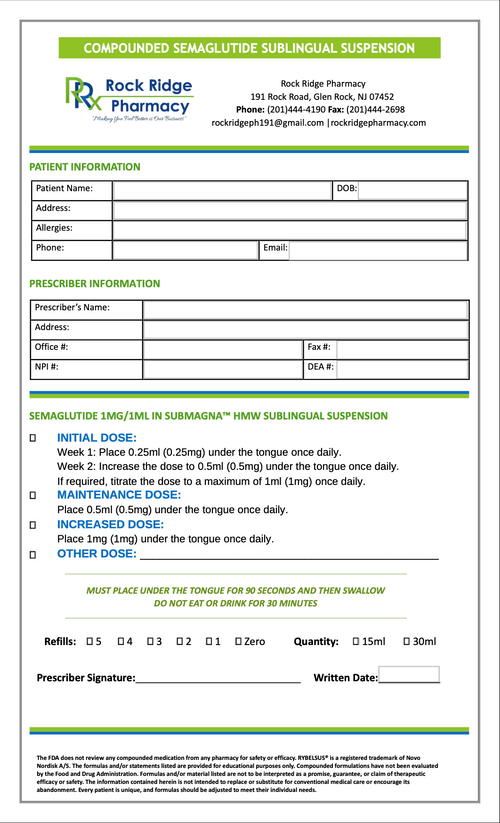
All medications are dispensed from licensed 503A compounding pharmacies, require no insurance, and are HSA/FSA eligible
The future of the compounded GLP-1 market is highly uncertain and we expect our project findings to inform policies promoting safe and equitable access to weight loss treatments." We are pleased to support the work of this extraordinary group of researchers who are sure to inform and advance NIHCMs core missionhelping organizations, policymakers, and other stakeholders improve the affordability and quality of US healthcare, while improving health outcomes, said Avik Roy, CEO of NIHCM.
Yes, Weight Loss Can Impact Your Menstrual Cycle


:max_bytes(150000):strip_icc()/WhatstheDifferenceBetweenOzempicWegovyandMounjaro-illo-a8f5a23fe4914586b4488472fe15f112.png)




.webp?width=900&height=1201&name=Semaglutide%20Image%202_900x1200%20(without%20phone).webp)