Research Applications Comprehensive musculoskeletal repair research Tendon and ligament regeneration studies Wound healing and skin repair models Inflammation modulation research Synergistic dual-peptide mechanism studies Quality Specifications Purity: 98% (HPLC verified) Compound: BPC-157 + TB-500 Molecular Weight: 1419.5 Da / 2113.4 Da Form: Lyophilized powder Origin: Made in the USA Testing: Third-party tested in a US laboratory Storage: -20C, protect from light COA: Batch-specific, ISO-accredited laboratory Frequently Asked Questions Q: Why combine BPC-157 and TB-500

no aspiration required) Johns Hopkins Arthritis Center How to give a subcutaneous injection (technique, site rotation, sharps disposal) NCBI Bookshelf Administration of medication: subcutaneous injections (aseptic technique, preparation) GenScript Peptide Services Peptide storage and handling guidelines (lyophilized and reconstituted storage conditions, stability) Journal of Pharmaceutical Sciences (2018) Stability of peptides during freeze-thaw cycles (best practices for aliquoting and storage) Additional Research and Background These sources provide related context and are not presented as support for a specific statement above
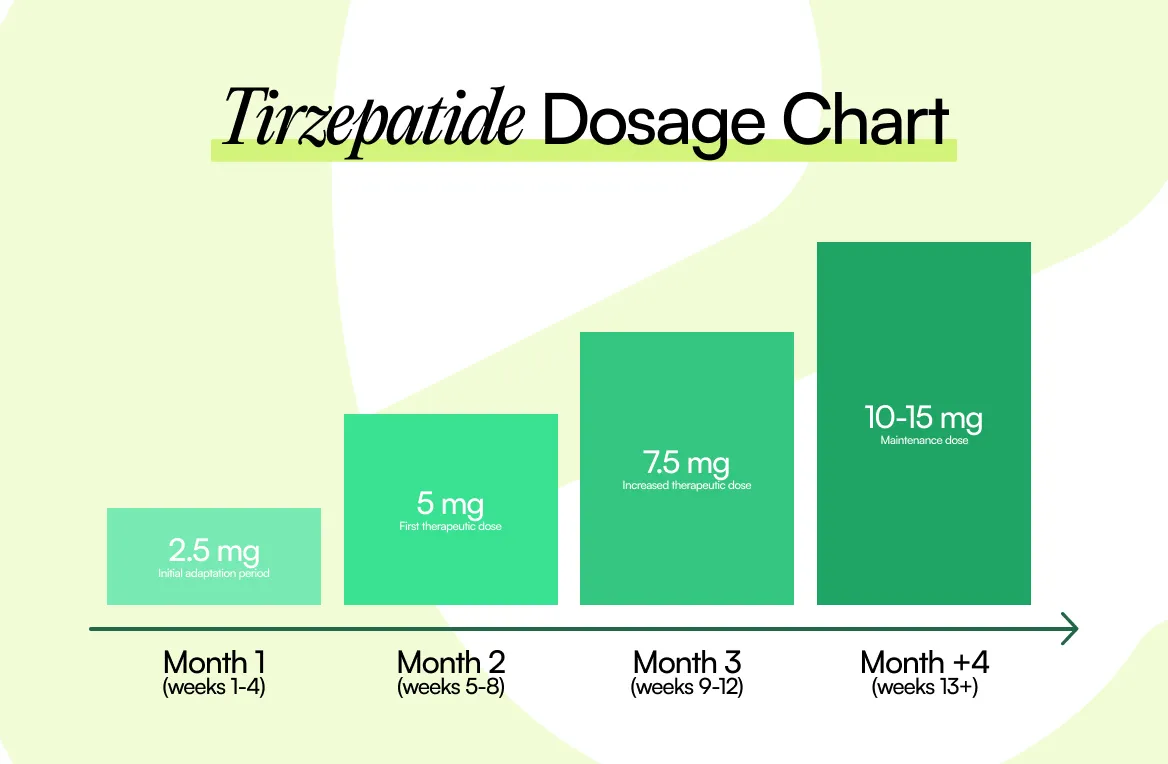
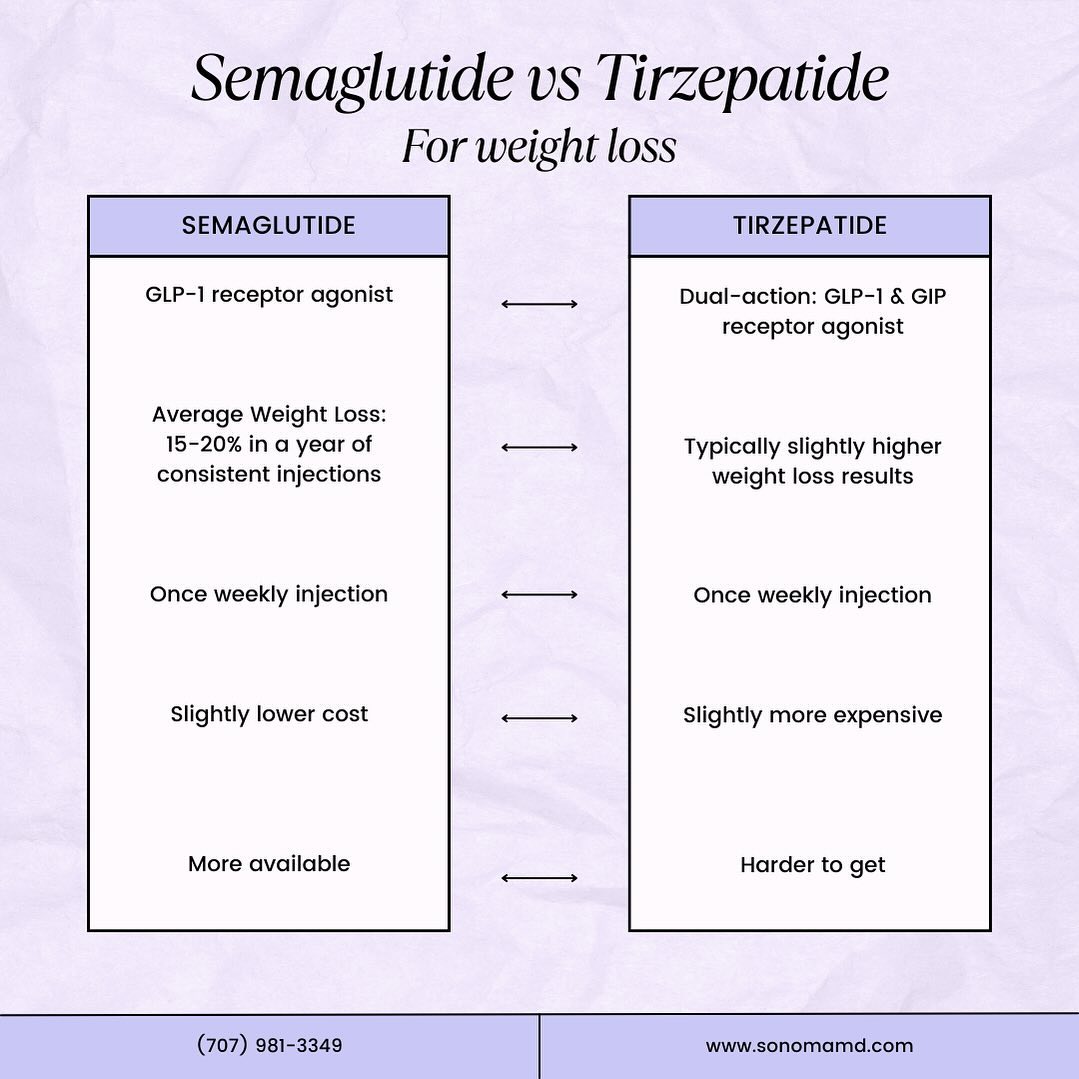
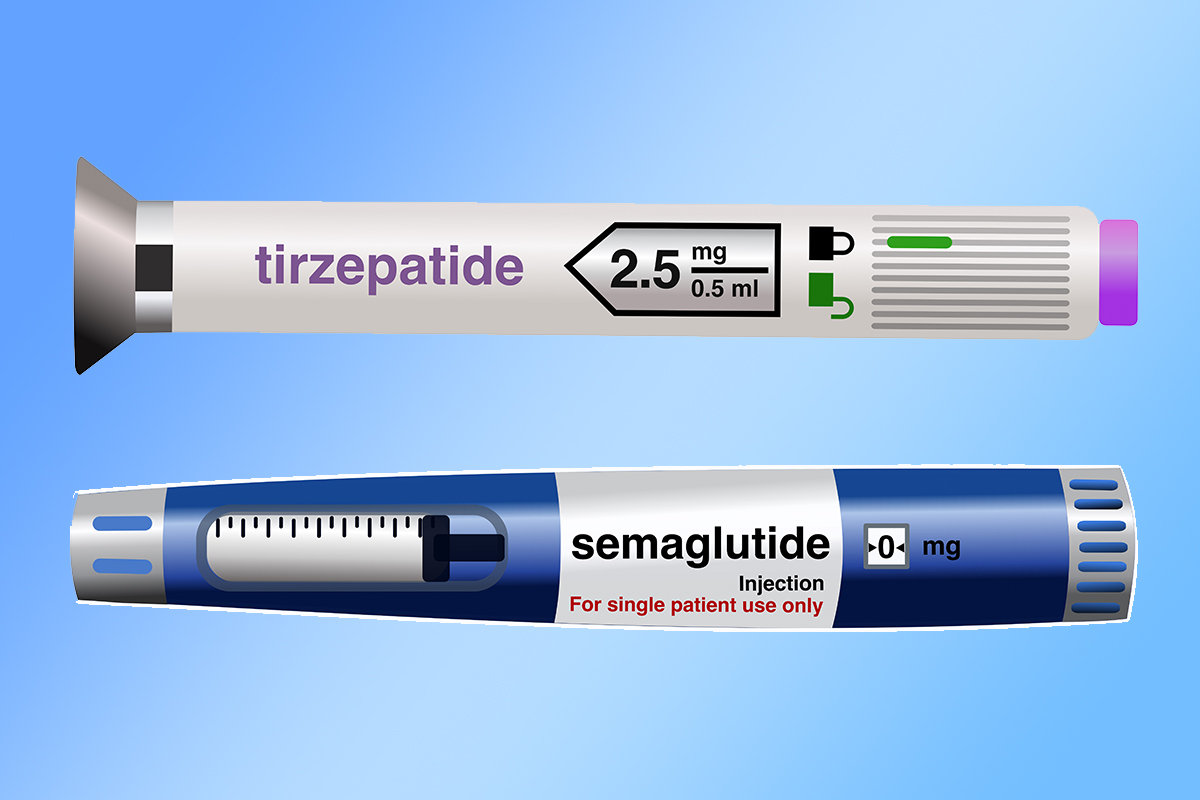
Research-Use Dosing Conventions (Not Clinical Guidance) The figures below are reported from published studies and, for tirzepatide, its approved label
Known in research circles for its potential regenerative and healing properties, BPC 157 is studied for its effects on tissue repair, collagen production, and angiogenesis