Weight interventions improve PsA outcomes PsA treatment guidelines support obesity management in patients with active PsA and obesity GRAPPA recommends maintenance of a healthy weight to improve disease activity and minimize disease impact 8 ACR recommends weight loss for patients with overweight/obesity 15 EULAR recommends that comorbidities such as obesity, metabolic syndrome, cardiovascular disease or depression should be considered managing patients with PsA 16 The modalities of weight management include lifestyle modification (nutrition, physical activity, psychological and behavioral intervention), pharmacotherapy, and bariatric surgery 17-20 Diet-based weight reduction is associated with achievement of MDA in patients with PsA and overweight/obesity starting TNFi therapy 6 5% weight reduction is the major and independent predictor of achieving MDA 6 Odds of achieving MDA increase with higher percent of weight reduction 6 In the DIPSA trial, weight loss magnitude was significantly associated with improvement in clinical outcomes, including DAPSA, pain, fatigue, PsAID, and TJC
Evidence level: Level A (non-listing) plus plausibility only
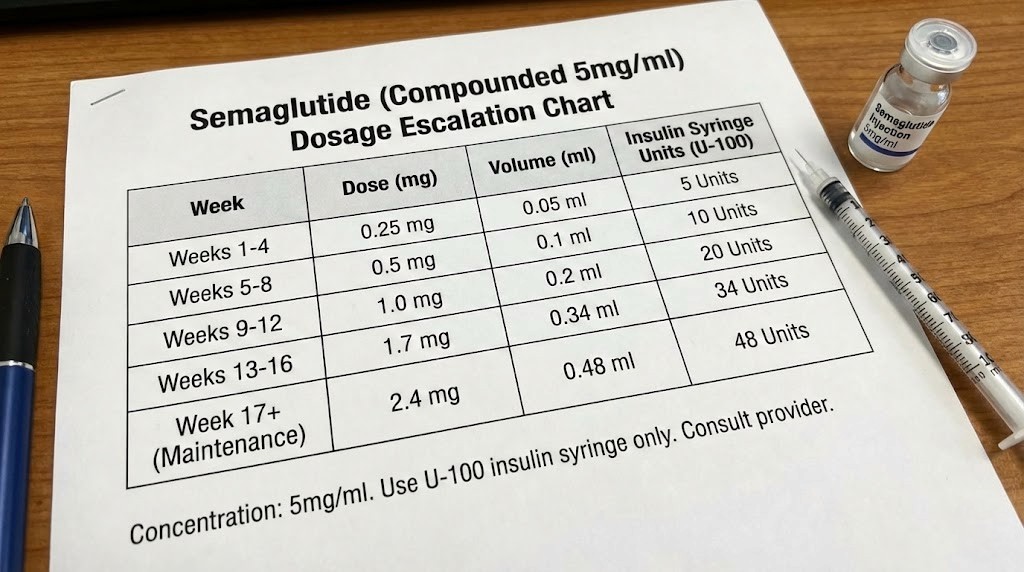
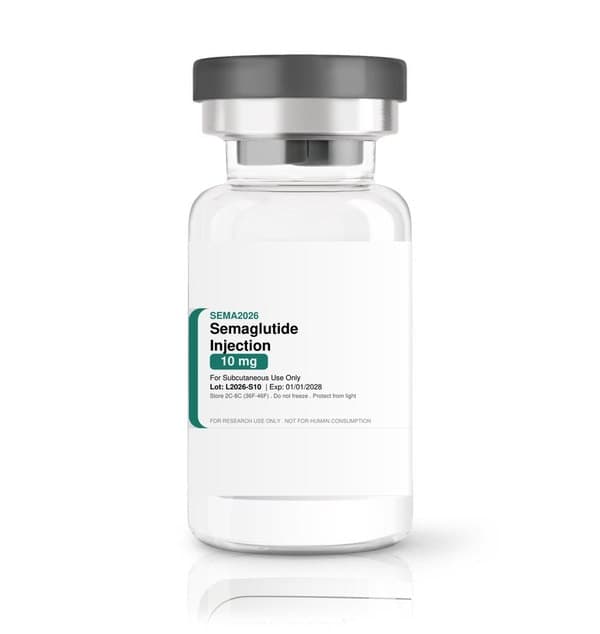
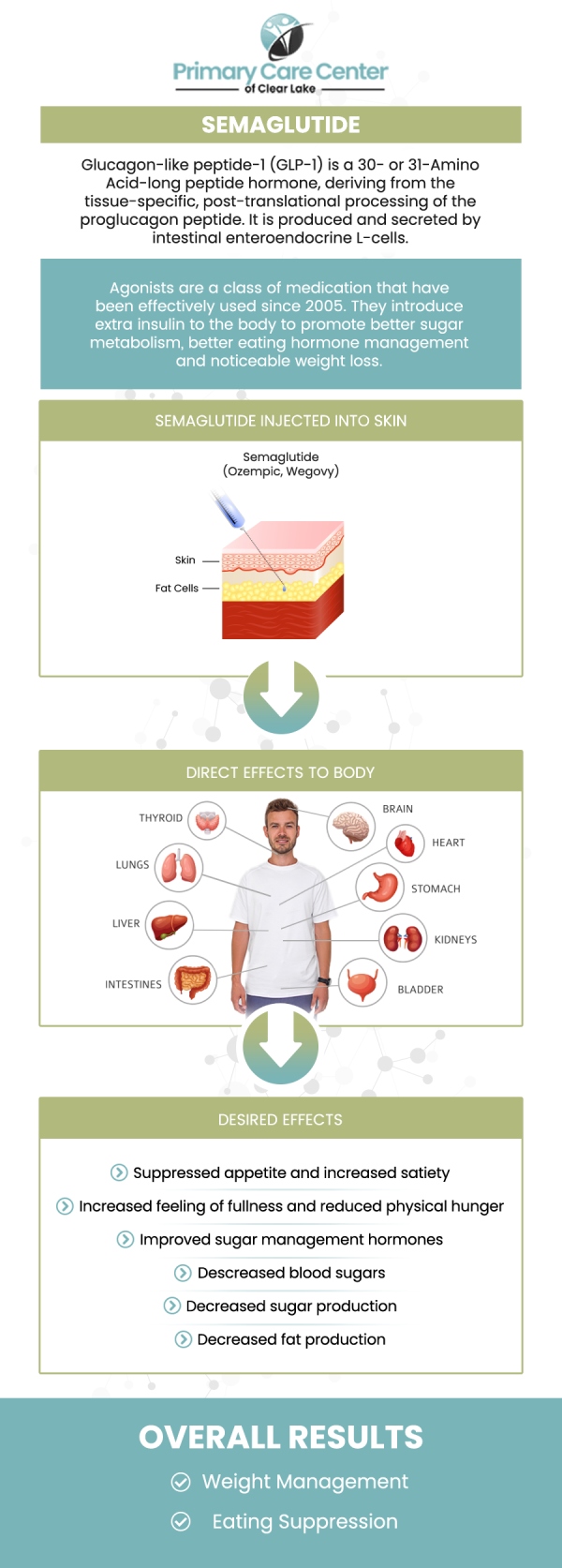
For example, recent studies have shown that low doses of semaglutide also have favorable effects on weight management and obesity treatment, making semaglutide a potential anti-obesity drug
Furthermore, various studies have explored strategies to enhance neurological functions in T21 mice through the promotion of neurogenesis








:max_bytes(150000):strip_icc()/VWH-GettyImages-2126120259-c2442d334436484baa255439265b7fb1.jpg)