Cutting edge: syntaxin 11 regulates lymphocyte-mediated secretion and cytotoxicity
Table of Contents Introduction Understanding the Master Antioxidant The Importance of Bioavailability How to Reconstitute Glutathione 1500 mg Lifestyle Foundations First When to Speak to a Professional Realistic Expectations and Timing Enhancing Your Routine Monitoring Your Progress Conclusion FAQ Introduction If you have spent a long winter in Canada, you likely know the feeling of a sluggish metabolism and a lingering sense of fatigue that coffee cannot quite touch
A minimum of 8 weeks appears necessary to observe meaningful changes in chronic conditions, with 10 to 12 week cycles common

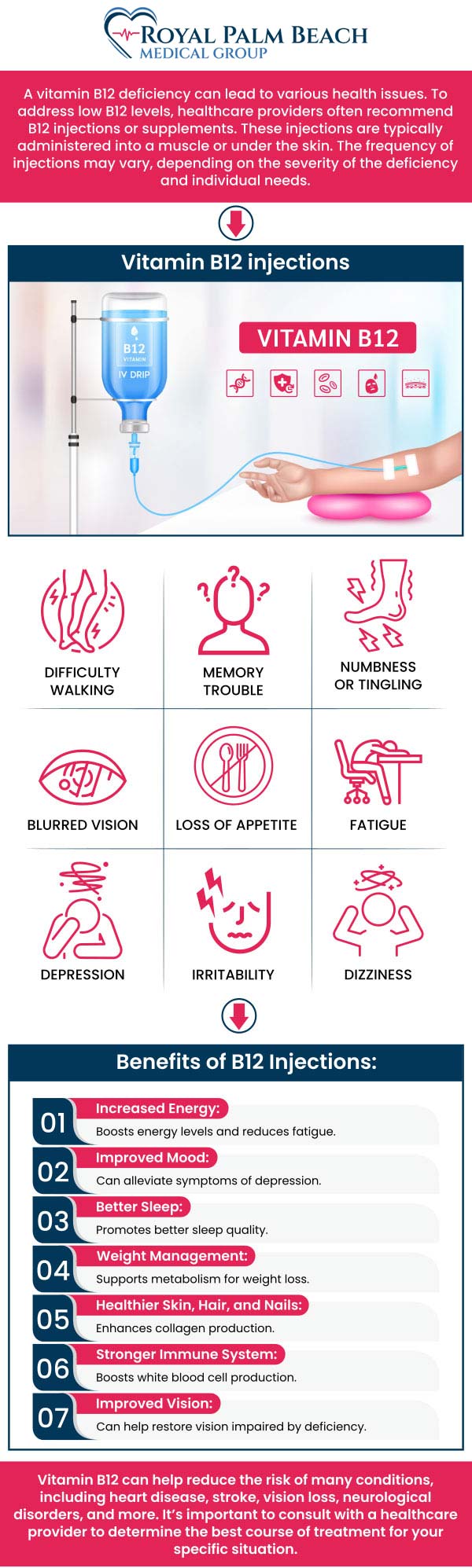
To support healthy glutathione levels: Ensure adequate protein intake with sulfur-rich foods (eggs, poultry, fish, cruciferous vegetables) Meet choline requirements (only 11% of pregnant women achieve this) Supplement with vitamins C and E to support glutathione recycling Ensure adequate B vitamins (B6, B12, folate) for methylation support Minimize environmental exposures (chlorinated water, VOCs, formaldehyde) Consider N-acetylcysteine (NAC) supplementation under healthcare provider guidance Work with a functional medicine practitioner to optimize metabolic health before and during pregnancy When considering acetaminophen: Discuss your individual risk factors with your healthcare provider Consider whether you have PCOS, conceived via IVF, have gestational blood sugar issues, gallbladder issues, or choline deficiency Understand that "safe" doses assume normal detoxification capacity If you have compromised glutathione status, even therapeutic doses may pose risk The danger isn't acetaminophen as a moleculeit's the toxic metabolite created when vulnerable populations with impaired detoxification capacity try to process it