Both of these disorders have been extensively studied in both humans and animal models ( SHANK2, SHANK3, NLGN4 , and NRXN1 are considered to cause ASD by altering synaptic connectivity and neuronal excitability, resulting in excitatory/inhibitory (E/I) imbalance ( Pten knockout mice exhibited hypertrophy of hippocampal neurons ( Tsc1 -deficient Purkinje mice ( NLGN4 mutations ( Tsc1 -deficient Purkinje cells ( SHANK3 -deficient neurons ( CNTN 5 +/ and EHMT 2 +/ cells ( The aforementioned evidence, however, does not necessarily explain the increasing prevalence of ASD over recent decades (i.e., from 0.4/1,000 to 2/1,000 in the 1970s to 1.5% or higher in recent studies) ( The present review focuses on three groups of environmental risks of ASD: prenatal exposure to drugs, maternal complications during pregnancy, and advanced parental age

Described as having an odor of wet wool, furniture polish, or mothballs, 2-AAP in wine is thought to be the result of oxidative degradation of indole-3-acetic acid (IAA), an important tryptophan-derived auxin 216,220
BMC Pharmacol Toxicol 2012;13:8
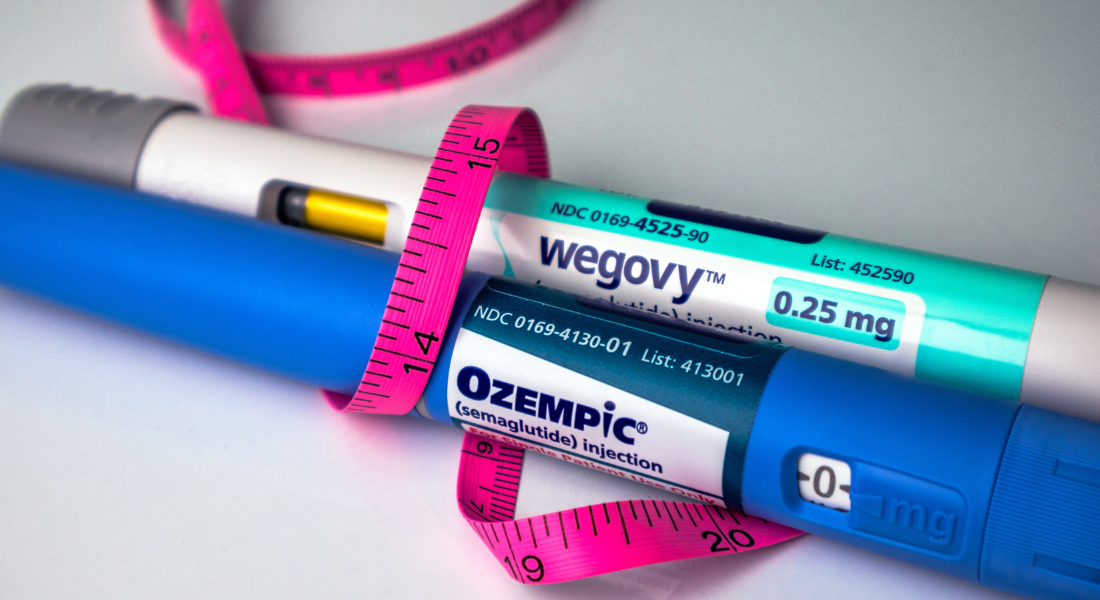
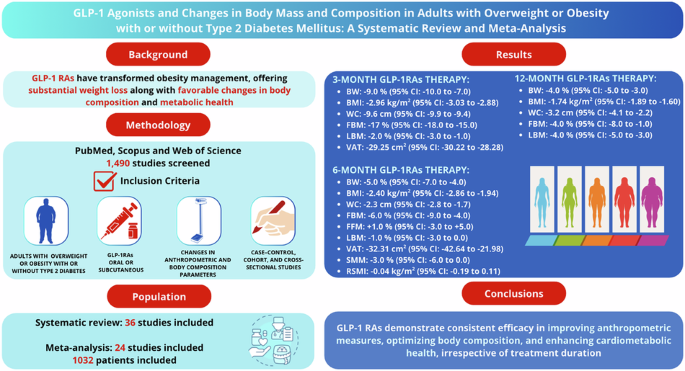
GLP-1 receptor agonists are drugs initially developed to treat diabetes but are now also used for managing obesity