In more simple terms, glycolic acid works mainly in the upper layers of the skin while retinol also works in the deeper layers of the skin, so they may complement each other if used adequately, says Dr
[6] A comprehensive meta-analysis of all studies on factors that could prevent Alzheimers by one of our Scientific Advisory Board members, Professor Jin Tai Yu of Fudan University in Shanghai, China, shows that either a high vitamin E or C intake showed a trend of attenuating risk by about 26 per cent, making these nutrients grade 1 top level prevention factors.[7] Inadequate vitamin C status in otherwise healthy young adults is related to a low level of mental vitality
Peptual GHK-Cu+ Targeted peptide support for skin renewal and structural vitality.
A 2003 study by Staresinic, Sebecic, Patrlj, and colleagues in Journal of Orthopaedic Research used a rat Achilles tendon transection model with BPC-157 administered intraperitoneally once daily at 10 g/kg, 10 ng/kg, or 10 pg/kg and reported improved load-to-failure, Young's modulus of elasticity, and Achilles functional index scores, reduced tendon defect size by day 14, and increased tendocyte outgrowth in vitro with specific numerical effect sizes and p-values not reported in the abstract












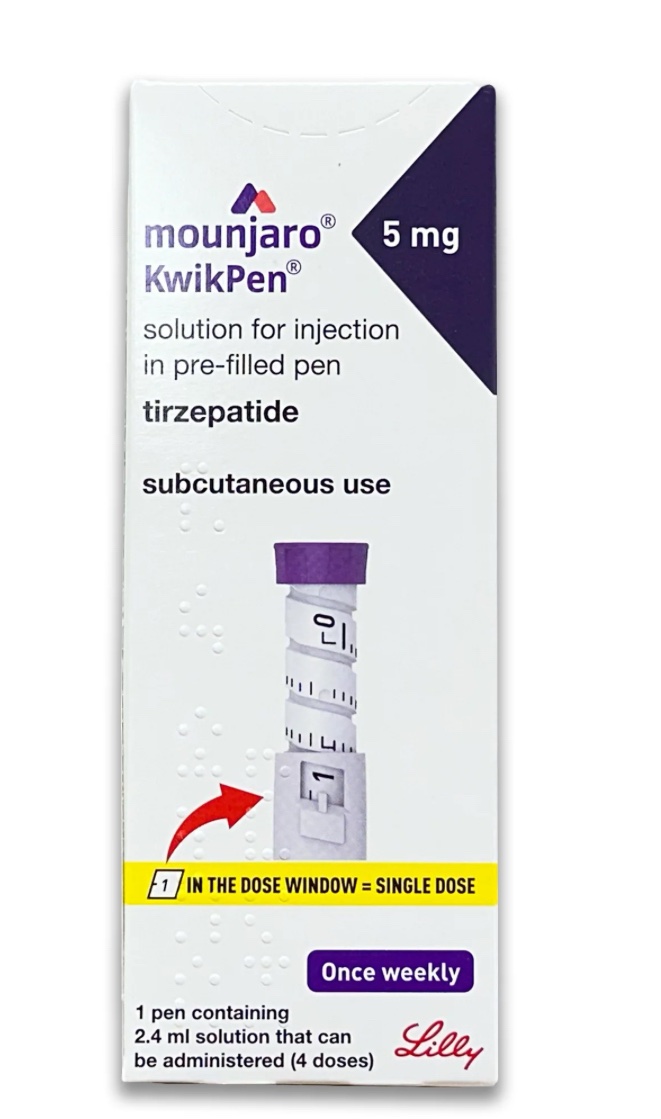
![MOUNJARO, MOUNJARO Kwikpen 10mg [PRESCRIPTION REQUIRED] Available in Click & Collect](https://medias.watsons.com.ph/publishing/50058411-HHrFlUxh-thumbnail.png?version=1776229558)